


MICHIGAN MISE SUR L’EXPÉRIENCE : KYLE WHITTINGHAM NOMMÉ À LA TÊTE DES WOLVERINES
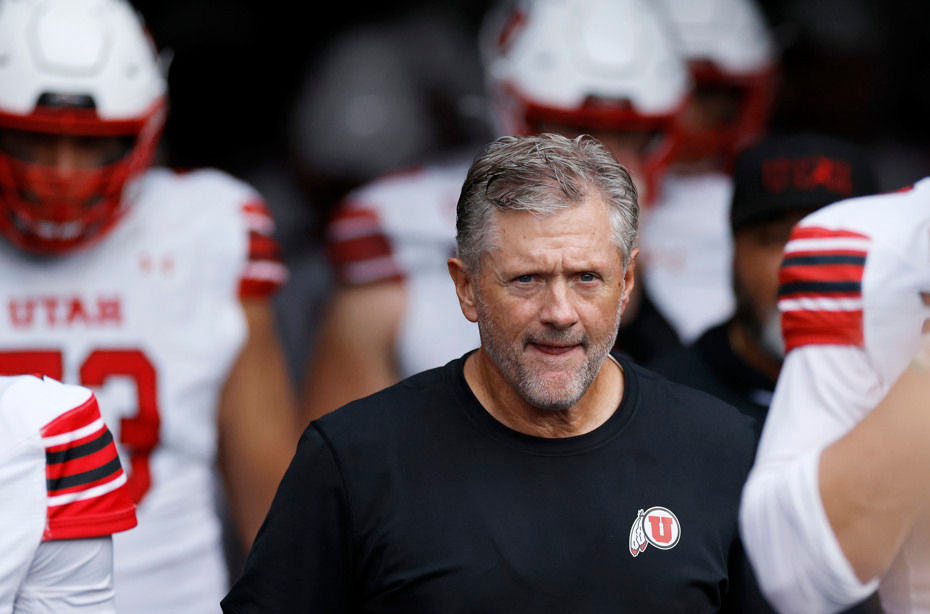
L’Université du Michigan a fait le choix de la stabilité et de la crédibilité pour tourner une page particulièrement agitée de son histoire récente. Les Wolverines ont officialisé la nomination de Kyle Whittingham comme nouveau head coach, confiant à l’ancien architecte du programme d’Utah la mission de restaurer l’ordre et l’ambition à Ann Arbor.
Âgé de 66 ans, Whittingham s’est engagé sur un contrat de cinq ans, estimé à plus de huit millions de dollars annuels en moyenne. Une rémunération à la hauteur de son parcours et de son statut, forgé au fil de plus de deux décennies passées à la tête des Utes. À Utah, il a bâti l’un des programmes les plus respectés du pays, reconnu pour sa discipline, sa rigueur défensive et sa constance au plus haut niveau.
Cette arrivée intervient dans un contexte délicat pour Michigan. Le licenciement brutal de Sherrone Moore, suivi d’affaires judiciaires très médiatisées, a plongé le programme dans une zone de turbulences rarement connue à ce niveau. Plus qu’un simple choix sportif, la nomination de Whittingham apparaît comme un signal fort envoyé par l’université : priorité à la crédibilité, à l’éthique et à la solidité institutionnelle.
Sur le terrain, le CV de Whittingham parle de lui-même. En 21 saisons comme head coach à Utah, il affiche un bilan de 177 victoires pour 88 défaites, ponctué par une saison parfaite en 2008 et plusieurs campagnes à dix victoires dans des conférences de plus en plus compétitives. Ses équipes ont souvent brillé par leur préparation, leur discipline et leur capacité à rivaliser avec les puissances historiques du college football.
Si ce choix ne s’inscrit pas nécessairement dans une vision à très long terme, Michigan assume clairement une stratégie de transition ambitieuse. Whittingham n’est pas là pour servir d’intérimaire, mais pour stabiliser le programme, restaurer la confiance et maintenir les Wolverines au plus haut niveau du Big Ten pendant une période charnière.
À Ann Arbor, l’objectif est désormais clair : refermer un chapitre troublé sans sacrifier l’exigence sportive. Avec Kyle Whittingham, Michigan s’offre un leader respecté, capable d’imposer une culture de travail immédiate et de préparer le terrain pour l’avenir.
MICHIGAN TURNS TO EXPERIENCE: KYLE WHITTINGHAM NAMED HEAD COACH OF THE WOLVERINES
The University of Michigan has opted for stability and credibility at a critical moment, appointing Kyle Whittingham as the new head coach of the Michigan Wolverines. The move signals a clear desire to restore order and competitiveness following one of the most turbulent periods in the program’s recent history.
Whittingham, 66, agreed to a five-year contract reportedly averaging more than $8 million per season. The investment reflects both his stature in college football and Michigan’s determination to avoid any step backward on the field while navigating off-field instability. After stepping down earlier this month following a historic run at Utah, Whittingham made it clear he was not finished coaching — a message Michigan clearly heard.
His résumé is among the most respected in the sport. Over 21 seasons as head coach of the Utah Utes, Whittingham compiled 177 wins, built a nationally admired defensive identity, and guided the program through multiple conference transitions without losing its competitive edge. His undefeated 2008 season and consistent presence in major bowl games cemented his reputation as a program builder rather than a short-term opportunist.
Michigan’s decision comes in the wake of the abrupt dismissal of Sherrone Moore, whose tenure ended amid serious legal and institutional concerns. In that context, Whittingham’s arrival represents more than a football hire. It is a cultural reset. Known for discipline, structure, and internal accountability, he offers immediate legitimacy to a program eager to turn the page.
While Whittingham may not be a long-term recruiting force in the modern NIL-driven arms race, Michigan appears comfortable with a calculated timeline. The priority is stabilization — maintaining Big Ten relevance, restoring trust within the locker room, and projecting professionalism to recruits, donors, and the national media.
This is not an interim solution. Michigan did not hire Whittingham to simply hold the seat warm. It hired him to clean up, recalibrate, and compete immediately. His teams have never lacked toughness or preparation, and few coaches in the sport command the same universal respect.
As the Wolverines regroup after months of uncertainty, the message from Ann Arbor is unmistakable: experience matters, credibility matters, and winning — done the right way — remains the standard.


Comments