


SEC 2026 : ENTRE RECONSTRUCTIONS, NOUVEAUX COACHS ET AMBITIONS NATIONALES
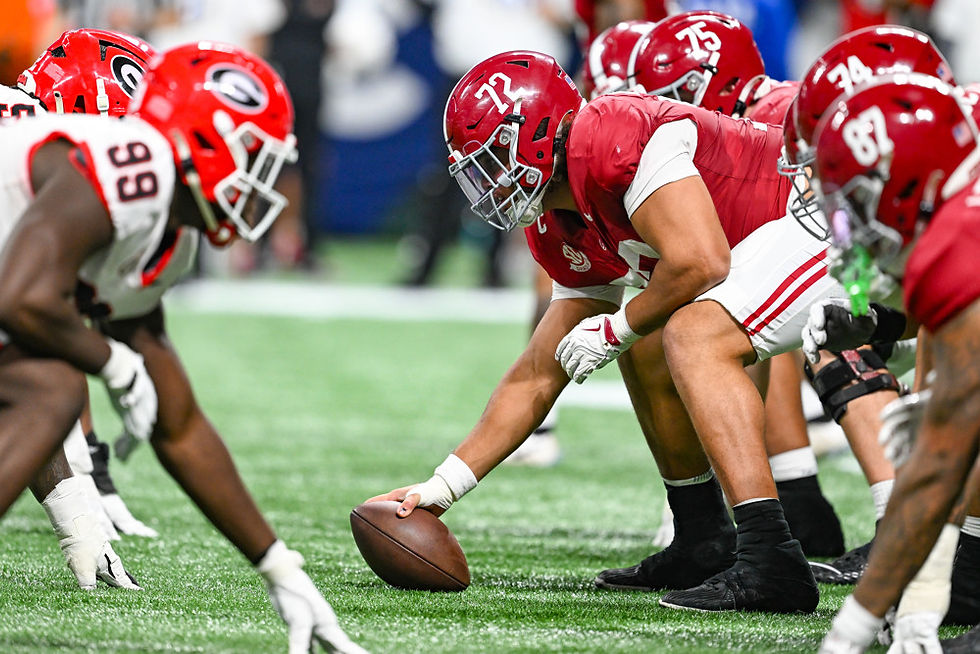
À l’approche des camps de printemps, la SEC entre dans une nouvelle phase charnière. La conférence reste la plus dense du college football sur le papier, mais elle n’a plus imposé sa domination nationale de la même manière ces dernières saisons. Pendant que le Big Ten a capté une grande partie de la lumière récente, plusieurs puissances du Sud abordent 2026 avec des interrogations profondes, des ajustements majeurs et, pour certaines, de nouveaux visages sur le banc.
Six programmes ouvrent notamment un nouveau cycle avec un entraîneur en première saison, signe d’une conférence en plein rééquilibrage. Entre les attentes colossales à LSU, la recherche d’une identité plus claire à Alabama ou encore les nombreuses reconstructions de l’effectif dans plusieurs campus, ce printemps pourrait déjà donner des indications précieuses sur la hiérarchie à venir.
Voici les principaux enjeux qui entourent chacune des 16 équipes de la SEC avant le début des entraînements.
Alabama : retrouver une identité claire
À Tuscaloosa, la principale question ne concerne pas seulement la bataille au poste de quarterback. Le vrai enjeu touche à l’identité même du programme. Sous la direction de Kalen DeBoer, Alabama a continué à gagner, mais certains signes ont laissé penser que l’équipe s’éloignait des fondamentaux physiques qui ont longtemps défini le Crimson Tide.
La saison dernière, le jeu au sol a notamment été un point faible majeur, déséquilibrant l’attaque et plaçant davantage de pression sur le quarterback. Cette fragilité est apparue de manière flagrante lors de plusieurs revers marquants, dont une déroute face à Indiana au Rose Bowl lors du College Football Playoff.
Avec plusieurs départs sur la ligne offensive et un nouveau cycle qui débute, le printemps sera surtout consacré à reconstruire une équipe plus solide dans les tranchées. Le duel entre Austin Mack et Keelon Russell attirera naturellement l’attention, mais la véritable réponse se trouvera probablement devant eux, au niveau de la ligne offensive.
Arkansas : le nouvel effectif peut-il tenir immédiatement ?
Arkansas a trop souvent souffert d’un manque de continuité ces dernières années. Les départs répétés ont fragilisé la profondeur de l’effectif et obligé le programme à se reconstruire presque chaque intersaison. Avec Ryan Silverfield désormais en poste, les Razorbacks ont revu en profondeur plusieurs secteurs de l’équipe et l’impression générale est celle d’un roster rehaussé.
Reste à savoir si cette nouvelle base est déjà assez solide pour encaisser la brutalité d’un calendrier SEC. Le printemps devra notamment apporter des réponses sur la densité de l’effectif, mais aussi sur le poste de quarterback, où KJ Jackson et AJ Hill se disputent la succession.
Auburn : les transferts venus de USF peuvent-ils changer le niveau de l’équipe ?
Auburn repart avec une approche devenue de plus en plus courante dans le football universitaire actuel : recruter un head coach du Group of Five et récupérer une partie importante de son noyau de joueurs. Alex Golesh arrive avec plusieurs anciens de South Florida, surtout en attaque, et tout le projet offensif semble s’articuler autour de Byrum Brown.
Le talent du quarterback ne fait guère de doute, mais la vraie inconnue sera son adaptation, comme celle de nombreux transferts, au niveau physique et à la vitesse d’exécution exigés en SEC. Sur le papier, Auburn a ajouté des pièces capables d’élever le plafond de l’équipe. Le printemps permettra de voir si cette greffe prend rapidement.
Florida : encore et toujours la question du quarterback
À Gainesville, la principale interrogation reste la même, surtout depuis le départ de DJ Lagway vers Baylor : qui prendra durablement les commandes de l’attaque ? Jon Sumrall arrive avec une solide réputation, mais sa première saison à Florida dépendra en grande partie de la stabilité trouvée à cette position clé.
Le transfert de Aaron Philo, arrivé de Georgia Tech avec une certaine connaissance du système de Buster Faulkner, semble pour l’instant avoir une longueur d’avance. Mais avec peu d’expérience au plus haut niveau, il devra rapidement prouver qu’il peut diriger l’attaque avec constance.
Les Gators possèdent toutefois plusieurs armes offensives prometteuses. Si le quarterback parvient à prendre le contrôle de l’attaque rapidement, Florida pourrait devenir une équipe bien plus dangereuse que prévu dès cette saison.

Georgia : la domination du front défensif doit revenir
Georgia aborde la saison 2026 avec de grandes ambitions, toujours mené par son quarterback Gunner Stockton, auteur d’une solide campagne 2025 avec 2 894 yards et 24 touchdowns. Désormais considéré comme l’un des meilleurs quarterbacks du pays et un possible candidat au Heisman Trophy, Stockton reste le moteur de l’attaque des Bulldogs.
Mais à Athens, la principale interrogation concerne surtout la défense. La ligne défensive, longtemps symbole de la domination du programme, a perdu une partie de son impact ces dernières saisons. Retrouver une pression constante sur les attaques adverses sera donc une priorité.
Le printemps offrira une première indication sur cette évolution, avec plusieurs jeunes joueurs attendus, dont Elijah Griffin, appelé à jouer un rôle important à l’intérieur du front défensif.
Kentucky : le grand chantier de Will Stein est-il déjà crédible ?
Peu de nouveaux entraîneurs ont été aussi actifs que Will Stein durant l’intersaison. Kentucky a massivement utilisé le portail des transferts et donné l’impression d’accélérer sa reconstruction, particulièrement en attaque. Le recrutement de Kenny Minchey et l’ajout de renforts expérimentés sur la ligne offensive montrent une volonté claire : gagner du temps.
La question est désormais simple : cette rénovation rapide produit-elle déjà une vraie équipe SEC compétitive, ou faudra-t-il encore du temps avant d’en voir les effets ? Le printemps sera un premier test grandeur nature.
LSU : comment Lane Kiffin va-t-il faire prendre l’ensemble ?
LSU s’impose naturellement comme l’un des programmes les plus scrutés à l’approche du printemps. L’arrivée de Lane Kiffin à Baton Rouge garantit une attention médiatique constante, mais elle symbolise surtout une stratégie agressive sur le marché des transferts. Fidèle à sa réputation, le nouveau staff a rapidement constitué un effectif impressionnant, notamment avec la signature très remarquée du quarterback Sam Leavitt, transféré d’Arizona State et appelé à devenir la pièce maîtresse de l’attaque.
Sur le papier, LSU dispose déjà d’un potentiel capable de rivaliser immédiatement au plus haut niveau de la conférence. Mais l’enjeu dépasse largement la simple accumulation de talents. Le défi pour Kiffin sera d’unir rapidement un vestiaire composé de nombreuses recrues et de cadres déjà présents dans le programme. Construire une véritable cohésion, instaurer des standards de performance élevés et transformer ce groupe en équipe compétitive sera la priorité absolue durant les semaines de préparation printanière.
Mississippi State : la nouvelle refonte sera-t-elle la bonne ?
Après une saison qui avait bien commencé avant de s’effondrer, Mississippi State repart une nouvelle fois en reconstruction. Jeff Lebby a visiblement identifié un problème prioritaire : la protection du quarterback et l’inefficacité globale de la ligne offensive. L’arrivée de nombreux linemen issus de programmes majeurs montre que la réponse a été frontale.
Le développement de Kamario Taylor et l’intégration rapide de cette nouvelle ligne seront des indicateurs essentiels. En défense aussi, le retour de Zach Arnett comme coordinateur ajoute un point d’intérêt majeur.
Missouri : Austin Simmons peut-il relancer l’attaque ?
Missouri mise sur une combinaison intrigante avec Austin Simmons, Chip Lindsey et Garrett Riley. L’idée est claire : offrir une nouvelle impulsion à une attaque qui veut devenir plus dangereuse et plus explosive. Simmons arrive avec des attentes importantes et bénéficiera d’un environnement mieux structuré, avec un solide backfield et plusieurs nouvelles cibles.
Le printemps servira à mesurer si cette attaque peut rapidement devenir l’une des plus intéressantes de la conférence.
Oklahoma : l’attaque peut-elle enfin suivre la défense ?
Le potentiel offensif d’Oklahoma a souvent été évoqué, mais pas toujours pleinement traduit sur le terrain. John Mateer a connu des moments prometteurs, avant de ralentir dans une attaque qui a manqué de constance, notamment au sol et dans la capacité des receveurs à créer de la séparation.
La défense devrait encore être solide. Cela rend le printemps encore plus important pour l’attaque, qui doit hausser son niveau si les Sooners veulent vraiment peser au niveau national.
Ole Miss : quelle transition sous Pete Golding ?
Pete Golding aborde ce nouveau chapitre avec une vraie crédibilité, mais aussi avec plusieurs pertes importantes à compenser, notamment chez les receveurs et sur la ligne défensive. Ole Miss a fortement recruté à ces postes via le portail, mais remplacer des producteurs confirmés n’est jamais automatique.
Le printemps servira surtout à voir si cette nouvelle version de l’équipe conserve le même impact immédiat.
South Carolina : la ligne offensive reste le nerf du problème
À South Carolina, beaucoup de questions ramènent toujours au même point : la ligne offensive. Tant que ce secteur ne franchira pas un cap, il sera difficile pour les Gamecocks de stabiliser leur progression, même avec le retour de leur quarterback LaNorris Sellers, l’un des joueurs les plus talentueux de l’effectif.
La blessure du transfert Jacarrius Peak durant l’intersaison n’a évidemment rien arrangé pour une unité déjà sous pression. Si South Carolina veut franchir un nouveau palier en SEC, la protection devant devra être nettement plus fiable afin de permettre à Sellers d’exploiter pleinement le potentiel de l’attaque.
Tennessee : le quarterback est un sujet, mais pas le seul
Oui, Tennessee recommence avec de jeunes quarterbacks en concurrence. Mais la question la plus lourde pourrait finalement concerner la défense. L’arrivée de Jim Knowles est majeure, mais son système demande généralement du temps pour transformer durablement une unité.
Le printemps permettra donc surtout d’observer si les premiers fondements de cette transition défensive sont déjà visibles.
Texas : jusqu’où Arch Manning peut-il encore monter ?
Texas aborde 2026 avec des ambitions nationales très élevées. Steve Sarkisian a remodelé une partie importante du roster et du staff, et tout cela va naturellement alimenter l’attention portée sur Arch Manning. Le quarterback sera limité au départ durant le printemps après son opération du pied, mais il reste le centre gravitationnel du projet.
Autour de lui, les Longhorns ont ajouté plusieurs éléments importants, dont Cam Coleman et Hollywood Smothers. Si l’ensemble se met rapidement en place, Texas pourrait ouvrir la saison parmi les équipes les plus redoutées du pays.
Texas A&M : qui remplace Cashius Howell et que changent les nouveaux coordinateurs ?
Texas A&M n’a pas seulement changé de coordinateurs. Le programme doit aussi compenser le départ d’un joueur majeur avec Cashius Howell, pièce essentielle du pass rush. Deux noms se détachent pour prendre davantage de place : Anto Saka, arrivé de Northwestern, et Marco Jones, jeune défenseur très prometteur.
En attaque, Marcel Reed reste la pièce centrale, avec un groupe de receveurs remodelé. Mais sur l’ensemble du programme, la grande question du printemps sera de savoir si les nouveaux ajustements tactiques apportent une vraie évolution ou simplement une continuité sous d’autres voix.
Vanderbilt : comment gérer l’après-Diego Pavia ?
À Vanderbilt, l’attention se concentre logiquement sur la succession de Diego Pavia. Jared Curtis, recrue cinq étoiles et figure d’avenir du programme, est le nom qui intrigue le plus. Son talent saute aux yeux, mais Clark Lea ne veut visiblement pas précipiter la décision.
Blaze Berlowitz fait aussi partie des options sérieuses, et le staff semble déterminé à laisser la compétition aller à son terme. Le printemps sera donc fondamental pour savoir si Vanderbilt tourne déjà la page avec son futur quarterback vedette, ou s’il faudra encore patienter.
Une conférence à surveiller de très près
La SEC reste la SEC : aucune autre conférence ne réunit autant de talent, de pression, de moyens et d’attentes contradictoires. Mais ce printemps 2026 ressemble moins à une simple remise en route qu’à une période de clarification.
Certaines équipes veulent reconquérir leur statut. D’autres tentent un redémarrage complet. Et plusieurs savent déjà qu’elles n’auront pas beaucoup de temps avant d’être jugées.
Dans une conférence où le moindre recul se paie immédiatement, les entraînements du printemps ne régleront pas tout. Mais ils commenceront à révéler qui avance vraiment, et qui cherche encore sa direction.
SEC 2026: BETWEEN REBUILDS, NEW COACHES AND NATIONAL TITLE AMBITIONS
As spring camps approach, the SEC enters a new pivotal phase. On paper, the conference remains the deepest in college football, but it has not imposed the same level of national dominance in recent seasons. While the Big Ten has captured much of the recent spotlight, several Southern powers head into 2026 facing significant questions, major adjustments, and in some cases new faces on the sideline.
Six programs are beginning a new cycle with a first-year head coach, a clear sign of a conference undergoing a period of recalibration. Between the enormous expectations at LSU, the search for a clearer identity at Alabama, and the extensive roster rebuilds taking place across several campuses, this spring could already provide valuable clues about the hierarchy that will emerge.
Here are the main storylines surrounding each of the 16 SEC teams ahead of the start of spring practices.
Alabama: rediscovering a clear identity
In Tuscaloosa, the main question is not simply the battle at quarterback. The real issue concerns the program’s identity itself. Under Kalen DeBoer, Alabama continued to win, but some signs suggested the team was drifting away from the physical foundations that long defined the Crimson Tide.
Last season, the running game was a major weakness, unbalancing the offense and placing greater pressure on the quarterback. That vulnerability became especially evident in several notable losses, including a heavy defeat to Indiana in the Rose Bowl during the College Football Playoff.
With several departures along the offensive line and a new cycle beginning, the spring will largely focus on rebuilding a stronger presence in the trenches. The quarterback battle between Austin Mack and Keelon Russell will naturally draw attention, but the real answers will likely come in front of them along the offensive line.
Arkansas: can the rebuilt roster hold up immediately?
Arkansas has too often suffered from a lack of continuity in recent years. Repeated departures weakened roster depth and forced the program into near-constant offseason rebuilding. With Ryan Silverfield now in charge, the Razorbacks have significantly reshaped several areas of the team, creating the impression of a strengthened roster.
The question now is whether that new foundation is already strong enough to withstand the brutality of an SEC schedule. Spring practices should offer early answers about roster depth, as well as the quarterback position, where KJ Jackson and AJ Hill are competing for the starting role.
Auburn: can the USF transfers raise the team’s ceiling?
Auburn is moving forward with an increasingly common strategy in modern college football: hiring a Group of Five head coach and bringing in a significant portion of his former player core. Alex Golesh arrives with several former South Florida players, particularly on offense, and the offensive project appears to revolve around quarterback Byrum Brown.
Brown’s talent is not in doubt, but the key question will be how quickly he—and many other transfers—adapt to the physicality and speed of SEC play. On paper, Auburn has added pieces capable of raising the team’s ceiling. Spring practices will reveal whether that transition takes hold quickly.
Florida: once again, the quarterback question
In Gainesville, the central question remains the same—especially following DJ Lagway’s transfer to Baylor: who will take long-term control of the offense? Jon Sumrall arrives with a strong reputation, but his first season at Florida will largely depend on stability at that critical position.
Transfer Aaron Philo, who arrives from Georgia Tech with familiarity in Buster Faulkner’s system, currently appears to have a slight edge. But with limited experience at the highest level, he will need to quickly prove he can lead the offense consistently.
The Gators still possess several promising offensive weapons. If the quarterback position stabilizes quickly, Florida could become far more dangerous than expected this season.
Georgia: defensive front dominance must return
Georgia enters the 2026 season with major ambitions, led once again by quarterback Gunner Stockton, who produced a strong 2025 campaign with 2,894 yards and 24 touchdowns. Now considered one of the top quarterbacks in the country—and a potential Heisman Trophy candidate—Stockton remains the engine of the Bulldogs’ offense.
However, in Athens, the biggest question concerns the defense. The defensive line, once the symbol of the program’s dominance, has lost some of its impact in recent seasons. Reestablishing consistent pressure on opposing offenses will be a priority.
Spring practices should offer an early glimpse of that evolution, with several young players expected to contribute, including Elijah Griffin, who could play an important role inside the defensive front.
Kentucky: is Will Stein’s rebuild already credible?
Few new head coaches were as active during the offseason as Will Stein. Kentucky aggressively used the transfer portal and appears determined to accelerate its rebuild, particularly on offense. The addition of Kenny Minchey and experienced reinforcements along the offensive line signals a clear objective: save time.
The question is simple: does this rapid renovation already produce a truly competitive SEC team, or will it take more time before the results appear? Spring practices will provide the first meaningful test.
LSU: how will Lane Kiffin bring it all together?
LSU naturally stands out as one of the most closely watched programs entering the spring. The arrival of Lane Kiffin in Baton Rouge guarantees constant media attention, but it also reflects an aggressive strategy in the transfer market. True to his reputation, the new staff quickly assembled an impressive roster, highlighted by the high-profile signing of quarterback Sam Leavitt, transferred from Arizona State and expected to become the centerpiece of the offense.
On paper, LSU already possesses the potential to compete immediately at the top of the conference. But the challenge goes far beyond assembling talent. Kiffin’s task will be to quickly unite a locker room filled with new arrivals and established leaders. Building real cohesion, establishing demanding performance standards, and transforming this group into a competitive team will be the absolute priority during spring preparations.
Mississippi State: will the latest rebuild be the right one?
After a season that started well before collapsing late, Mississippi State once again enters a rebuilding phase. Jeff Lebby appears to have identified a primary issue: quarterback protection and the overall inefficiency of the offensive line. The arrival of several linemen from major programs suggests a direct response.
The development of Kamario Taylor and the rapid integration of this new offensive line will be key indicators. On defense, the return of Zach Arnett as coordinator also adds a major point of interest.
Missouri: can Austin Simmons reignite the offense?
Missouri is betting on an intriguing combination of Austin Simmons, Chip Lindsey, and Garrett Riley. The idea is clear: inject new life into an offense that wants to become more explosive and dangerous. Simmons arrives with high expectations and will benefit from a more structured environment, including a solid backfield and several new receiving targets.
Spring practices will show whether this offense can quickly become one of the most exciting in the conference.
Oklahoma: can the offense finally match the defense?
Oklahoma’s offensive potential has often been discussed, but not always fully realized on the field. John Mateer has shown promising flashes, but the offense lacked consistency, particularly in the running game and in receivers’ ability to create separation.
The defense should remain strong. That makes spring practices even more critical for the offense, which must elevate its level if the Sooners truly want to compete nationally.
Ole Miss: what transition under Pete Golding?
Pete Golding begins this new chapter with real credibility but also with several significant losses to replace, particularly at wide receiver and along the defensive line. Ole Miss has recruited heavily through the portal at those positions, but replacing proven production is never automatic.
Spring practices will primarily reveal whether this new version of the team can maintain the same immediate impact.
South Carolina: the offensive line remains the core issue
At South Carolina, many questions lead back to the same problem: the offensive line. Until that unit takes a step forward, it will be difficult for the Gamecocks to stabilize their progress—even with the return of quarterback LaNorris Sellers, one of the most talented players on the roster.
The offseason injury to transfer Jacarrius Peak has not helped a unit already under pressure. If South Carolina hopes to reach another level in the SEC, protection up front will need to become far more reliable so that Sellers can fully unlock the offense’s potential.
Tennessee: quarterback matters, but defense may matter more
Yes, Tennessee once again enters spring with young quarterbacks competing for the job. But the more significant question may ultimately concern the defense. The arrival of Jim Knowles is a major development, yet his system usually requires time to transform a unit.
Spring practices will therefore reveal whether the first foundations of this defensive transition are already visible.
Texas: how high can Arch Manning rise?
Texas enters 2026 with extremely high national expectations. Steve Sarkisian has reshaped significant portions of the roster and staff, and that will naturally increase attention around Arch Manning. The quarterback will be limited early in spring following foot surgery, but he remains the gravitational center of the program.
Around him, the Longhorns added several key pieces, including Cam Coleman and Hollywood Smothers. If everything comes together quickly, Texas could begin the season as one of the most feared teams in the country.
Texas A&M: replacing Cashius Howell and adapting to new coordinators
Texas A&M did not just change coordinators. The program must also replace a major defensive presence in Cashius Howell, a key piece of the pass rush. Two names stand out as potential replacements: Anto Saka, transferred from Northwestern, and promising young defender Marco Jones.
On offense, Marcel Reed remains the centerpiece, supported by a reshaped receiver group. Across the program, the biggest spring question will be whether the new tactical adjustments represent real evolution—or simply continuity under new voices.
Vanderbilt: managing the post-Diego Pavia era
At Vanderbilt, attention naturally focuses on the succession of Diego Pavia. Jared Curtis, a five-star recruit and future face of the program, is the most intriguing name. His talent is obvious, but Clark Lea appears unwilling to rush the decision.
Blaze Berlowitz is also a serious option, and the staff seems determined to let the competition play out. Spring practices will therefore be crucial in determining whether Vanderbilt already turns the page with its future star quarterback—or if patience will still be required.
A conference worth watching closely
The SEC remains the SEC: no other conference combines as much talent, pressure, resources, and conflicting expectations. But the spring of 2026 looks less like a routine reset and more like a moment of clarification.
Some programs are trying to reclaim their status. Others are attempting complete restarts. And several already know they will not have much time before being judged.
In a conference where even the slightest decline is punished immediately, spring practices will not solve everything. But they will begin to reveal which programs are truly moving forward—and which are still searching for direction.


Comments