


LES 20 CALENDRIERS LES PLUS DIFFICILES DU COLLEGE FOOTBALL EN 2026

Le chemin vers le College Football Playoff n'a jamais semblé aussi brutal.
Pendant des décennies, les grands programmes pouvaient survivre à un duel majeur, récupérer contre des adversaires plus faibles, puis se préparer pour un autre affrontement marquant quelques semaines plus tard. Cette version du college football est en train de disparaître rapidement.
La SEC passe officiellement à un format de 9 matchs de conférence dès 2026, une première historique pour la ligue, alignant son calendrier sur celui de la Big Ten et de la Big 12. L'ACC adopte également un format à 9 matchs (12 des 17 équipes en disputent 9). L'expansion transcontinentale de la conférence Big Ten a créé des calendriers qui ressemblent davantage à ceux de ligues professionnelles qu'à ceux d'une saison universitaire traditionnelle.
Voici les 20 calendriers les plus difficiles du college football à l'aube de la saison 2026.
20. North Carolina Tar Heels
Bill Belichick entame sa deuxième saison à Chapel Hill avec un calendrier ACC à huit matchs et deux adversaires Power Four hors conférence. La saison commence en Irlande contre TCU au Aviva Stadium de Dublin, une expérience unique mais épuisante en termes de logistique. Le déplacement à Clemson en Week 4 sera un baromètre majeur du programme, suivi de la réception de Notre Dame à Kenan Stadium début octobre — probablement le plus grand match à domicile à Chapel Hill depuis des années. Ajoutez à cela des rivalités contre Duke, Miami et NC State, et il est clair que la deuxième saison de Belichick offre peu de répit.
Home : vs East Tennessee State (12 sept), vs Notre Dame (3 oct), vs Syracuse (24 oct), vs Miami (31 oct), vs Louisville (14 nov), vs NC State (28 nov)
Away : vs TCU (29 août, Dublin), at Clemson (19 sept), at Pittsburgh (10 oct), at Duke (17 oct), at UConn (7 nov), at Virginia (21 nov)
19. Stanford Cardinal
L'ère Tavita Pritchard commence avec un calendrier impitoyable qui ne pardonne aucune erreur. Le Cardinal ouvre la saison ACC dès le 4 septembre contre Miami, finaliste du dernier championnat national, avant un long stretch sur la côte Est qui inclut cinq matchs en neuf semaines dans le fuseau Eastern. Ce style de calendrier coast-to-coast est exactement ce que les anciens programmes Pac-12 redoutaient, et Stanford devra naviguer entre déplacements à Duke, Wake Forest et Notre Dame en quatre semaines consécutives. Le 129e Big Game contre Cal à Berkeley clôture le calendrier de route, mais ce sont les voyages à répétition vers l'Est qui définiront cette saison.
Home : vs Hawai'i (29 août), vs Miami (4 sept), vs Georgia Tech (26 sept), vs Elon (17 oct), vs NC State (23/24 oct), vs SMU (28 nov)
Away : at Duke (19 sept), at Wake Forest (3 oct), at Notre Dame (10 oct), at Louisville (31 oct), at Virginia Tech (14 nov), at California (21 nov – 129e Big Game)
18. LSU Tigers
La première saison de Lane Kiffin à Baton Rouge commence avec un défi énorme : un rematch contre Clemson au Tiger Stadium pour ouvrir l'année. Mais le moment le plus chargé émotionnellement arrive en Week 3, lorsque Kiffin retourne à Oxford pour affronter Ole Miss, l'équipe qu'il a abruptement quittée après une saison record. Le calendrier SEC qui suit est l'un des plus déséquilibrés du pays : LSU reçoit Texas, Alabama et Texas A&M à Death Valley, mais doit également survivre à des déplacements à Auburn, Tennessee et Arkansas pour le Battle for the Golden Boot, qui clôture la saison.
Home : vs Clemson (5 sept), vs Louisiana Tech (12 sept), vs Texas A&M (26 sept), vs McNeese (3 oct), vs Mississippi State (17 oct), vs Alabama (7 nov), vs Texas (14 nov)
Away : at Ole Miss (19 sept), at Kentucky (10 oct), at Auburn (24 oct), at Tennessee (21 nov), at Arkansas (28 nov – Battle for the Golden Boot)
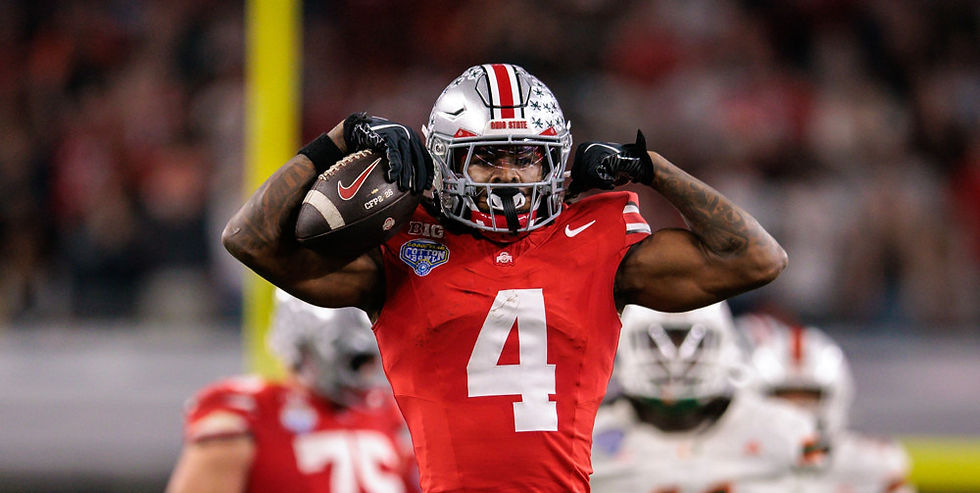
17. Ohio State Buckeyes
Les Buckeyes entrent dans la saison comme favoris au titre national selon plusieurs prévisions préseason, mais leur calendrier est un véritable champ de mines. Le déplacement à Austin en Week 2 est le deuxième match d'une série home-and-home majeure, suivi rapidement par l'entrée en conférence Big Ten. La séquence à elle seule entre Indiana (sur la route), USC (sur la route) et Oregon (à domicile) pourrait être la plus difficile de tout le pays. Le calendrier se termine par "The Game" contre Michigan à Columbus, et neuf des douze adversaires d'Ohio State ont participé à un bowl ou au CFP en 2025.
Home : vs Ball State (5 sept), vs Kent State (19 sept), vs Illinois (26 sept), vs Maryland (10 oct), vs Oregon (7 nov), vs Northwestern (14 nov), vs Michigan (28 nov – The Game)
Away : at Texas (12 sept), at Iowa (3 oct), at Indiana (17 oct), at USC (31 oct), at Nebraska (21 nov)
16. Michigan State Spartans
Pat Fitzgerald prend les rênes à East Lansing pour sa première saison, et le calendrier ne lui offre aucun cadeau d'arrivée. Le déplacement à Notre Dame en Week 3 sera son premier vrai test, mais c'est la fin de saison qui s'annonce particulièrement brutale avec quatre matchs consécutifs contre Michigan, Washington, Oregon et Rutgers. Recevoir Oregon le 20 novembre, un vendredi soir, sera l'un des plus grands événements de l'histoire récente du programme. Notez aussi le rendez-vous émotionnel contre Northwestern, l'ancienne équipe de Fitzgerald, le 17 octobre.
Home : vs Toledo (4 sept), vs Eastern Michigan (12 sept), vs Nebraska (26 sept), vs Illinois (10 oct), vs Northwestern (17 oct), vs Washington (14 nov), vs Oregon (20 nov)
Away : at Notre Dame (19 sept), at Wisconsin (3 oct), at UCLA (24 oct), at Michigan (7 nov), at Rutgers (28 nov)
15. USC Trojans
USC profite d'une saison sans Notre Dame (la rivalité est en pause pour 2026), ce qui allège théoriquement le calendrier, mais seulement en théorie. Les Trojans reçoivent Oregon, Washington et Ohio State à Halloween au Los Angeles Memorial Coliseum, trois matchs qui pourraient tous se jouer entre des équipes du top 10 national. Les déplacements à Rutgers, Penn State, Wisconsin et Indiana imposent une logistique transcontinentale épuisante semaine après semaine. USC bénéficie cependant de deux semaines de repos grâce à un match prévu en Week 0, un avantage scheduling rare dans la Big Ten moderne.
Home : vs Fresno State (5 sept), vs Louisiana (12 sept), vs Oregon (26 sept), vs Washington (3 oct), vs Ohio State (31 oct), vs Maryland (21 nov)
Away : at Rutgers (19 sept), at Penn State (10 oct), at Wisconsin (24 oct), at Indiana (14 nov), at UCLA (28 nov)
14. Georgia Bulldogs
Même Georgia, sous Kirby Smart, n'est plus protégé du chaos calendaire SEC. Les Bulldogs reçoivent Oklahoma en Week 4, la première rencontre des deux programmes en tant que rivaux SEC, avant un déplacement crucial à Tuscaloosa contre Alabama en octobre. Le match historique contre Florida quitte Jacksonville pour la première fois depuis des décennies et se jouera au Mercedes-Benz Stadium d'Atlanta. Le calendrier comprend également un déplacement à Ole Miss en novembre, un match-revanche après la défaite en playoff la saison dernière, et termine avec l'incontournable Clean Old-Fashioned Hate contre Georgia Tech.
Home : vs Tennessee State (5 sept), vs Western Kentucky (12 sept), vs Oklahoma (26 sept), vs Vanderbilt (3 oct), vs Auburn (17 oct), vs Missouri (14 nov), vs Georgia Tech (28 nov)
Away : at Arkansas (19 sept), at Alabama (10 oct), vs Florida (31 oct – à Atlanta, site neutre), at Ole Miss (7 nov), at South Carolina (21 nov)
13. Colorado Buffaloes
Deion Sanders entame sa quatrième saison à Boulder après un décevant 3-9 en 2025, et la Big 12 ne lui offre aucune marge de manœuvre. Colorado joue trois de ses quatre premiers matchs en déplacement (Georgia Tech, Northwestern, Baylor), la première fois que cela arrive au programme depuis 1974. Les Buffaloes reçoivent ensuite trois équipes ayant gagné 10+ matchs en 2025 à Folsom Field : Texas Tech, Utah et Houston. Avec un déplacement à Cincinnati en novembre suivi d'une réception de UCF en fin de saison, chaque semaine porte un poids critique pour la qualification en bowl.
Home : vs Weber State (12 sept), vs Texas Tech (3 oct), vs Utah (17 oct), vs Kansas State (31 oct), vs Houston (14 nov), vs UCF (28 nov)
Away : at Georgia Tech (5 sept), at Northwestern (19 sept), at Baylor (26 sept), at Oklahoma State (24 oct), at Arizona State (7 nov), at Cincinnati (21 nov)
12. Tennessee Volunteers
Josh Heupel et les Volunteers reçoivent Texas en Week 4 pour la première rencontre des deux programmes à Knoxville depuis 1969, un événement historique pour le Neyland Stadium. Le déplacement à Georgia Tech au Bobby Dodd Stadium en Week 2 sera également la première visite des Vols là-bas depuis 1986. Tennessee accueille Alabama mi-octobre pour le Third Saturday in October, puis termine sa saison à domicile contre LSU le 21 novembre, le retour de Lane Kiffin à Knoxville, son ancienne maison (2009). La saison clôture à Vanderbilt pour la 67e fois dans l'histoire de cette rivalité régionale.
Home : vs Furman (5 sept), vs Kennesaw State (19 sept), vs Texas (26 sept), vs Auburn (3 oct), vs Alabama (17 oct – Third Saturday in October), vs Kentucky (7 nov), vs LSU (21 nov)
Away : at Georgia Tech (12 sept), at Arkansas (10 oct), at South Carolina (24 oct), at Texas A&M (14 nov), at Vanderbilt (28 nov)
11. Missouri Tigers
Eli Drinkwitz et les Tigers entament 2026 avec un calendrier qui devient brutal dès novembre. La saison commence par l'ouverture contre Arkansas Pine-Bluff, suivie du Border War renouvelé à Lawrence contre Kansas, la première visite de Missouri au David Booth Kansas Memorial Stadium depuis 2005. Novembre apporte une séquence redoutable : réception de Texas, déplacement à Georgia, puis matchs à domicile contre Kentucky et Oklahoma pour clôturer la saison régulière. Trois des plus grands programmes du pays sur quatre semaines — si Missouri est dans la course au CFP, ce stretch décidera tout.
Home : vs Arkansas Pine-Bluff (5 sept), vs Troy (19 sept), vs Florida (3 oct), vs Texas A&M (10 oct), vs Texas (7 nov), vs Kentucky (21 nov), vs Oklahoma (28 nov)
Away : at Kansas (12 sept – Border War), at Mississippi State (26 sept), at Ole Miss (17 oct), at Arkansas (31 oct – Battle Line Rivalry), at Georgia (14 nov)
10. Kentucky Wildcats
Will Stein débute sa première saison à Lexington avec un calendrier qui ne laisse aucune marge d'erreur. Recevoir Alabama dès la Week 2 au Kroger Field est un baptême du feu, suivi d'un déplacement immédiat à Texas A&M. Le calendrier SEC inclut également des matchs à domicile contre LSU et Florida, plus le déplacement à Norman contre Oklahoma — la première rencontre SEC entre les deux programmes. La saison se conclut traditionnellement par le Governor's Cup contre Louisville, qui pourrait avoir un impact direct sur l'éligibilité au bowl pour les Wildcats.
Home : vs Youngstown State (5 sept), vs Alabama (12 sept), vs South Alabama (26 sept), vs LSU (10 oct), vs Vanderbilt (24 oct), vs Florida (14 nov), vs Louisville (28 nov – Governor's Cup)
Away : at Texas A&M (19 sept), at South Carolina (3 oct), at Oklahoma (17 oct), at Tennessee (7 nov), at Missouri (21 nov)
9. Mississippi State Bulldogs
Mississippi State a peut-être discrètement l'un des emplois les plus difficiles d'Amérique en 2026. Le déplacement hors conférence à Minnesota au Huntington Bank Stadium ajoute un défi physique notable au calendrier SEC déjà chargé. Les Bulldogs doivent gérer Alabama, Oklahoma, Auburn et Texas A&M à Davis Wade, ainsi que des déplacements à LSU et Texas. La saison se termine par l'Egg Bowl à Oxford contre Ole Miss, un match qui pourrait être décisif pour la qualification en bowl du programme.
Home : vs Louisiana-Monroe (5 sept), vs Missouri (26 sept), vs Alabama (3 oct), vs Oklahoma (24 oct), vs Vanderbilt (7 nov), vs Auburn (14 nov), vs Tennessee Tech (21 nov)
Away : at Minnesota (12 sept), at South Carolina (19 sept), at LSU (17 oct), at Texas (31 oct), at Ole Miss (28 nov – Egg Bowl)
8. Alabama Crimson Tide
Kalen DeBoer entame sa troisième saison à Tuscaloosa avec un calendrier qui inclut une seule semaine de repos en 13 semaines, une rareté absolue pour Alabama. Le match contre Florida State le 19 septembre clôt la série home-and-home entre les deux programmes, et Alabama n'a pas reçu les Seminoles à Bryant-Denny depuis 1974. Le Crimson Tide doit également survivre à Georgia à domicile en octobre, suivi des déplacements à Tennessee (Third Saturday in October) et LSU en novembre. La saison se termine par l'Iron Bowl à domicile contre Auburn, toujours une nuit où tout peut basculer.
Home : vs East Carolina (5 sept), vs Florida State (19 sept), vs South Carolina (26 sept), vs Georgia (10 oct), vs Texas A&M (24 oct), vs Chattanooga (21 nov), vs Auburn (28 nov – Iron Bowl)
Away : at Kentucky (12 sept), at Mississippi State (3 oct), at Tennessee (17 oct – Third Saturday in October), at LSU (7 nov), at Vanderbilt (14 nov)
7. Michigan Wolverines
La première saison de Kyle Whittingham à Ann Arbor commence avec un défi monumental : recevoir Oklahoma au Michigan Stadium en Week 2. La Big Ten lui réserve ensuite un calendrier sans pitié, avec Iowa, Penn State (à domicile pour Homecoming) et Indiana à la maison, mais des déplacements brutaux à Oregon et Ohio State pour clôturer la saison. Le 100e match Little Brown Jug contre Minnesota le 3 octobre à Minneapolis est l'un des matchs historiques de l'année, mais c'est la séquence finale Oregon-Ohio State qui définira la saison. Michigan n'affronte ni Illinois, ni Maryland, ni Nebraska, ni Northwestern, ni Purdue, ni USC, ni Washington, ni Wisconsin en 2026, un déséquilibre majeur du calendrier.
Home : vs Western Michigan (5 sept), vs Oklahoma (12 sept), vs UTEP (19 sept), vs Iowa (26 sept), vs Penn State (17 oct – Homecoming), vs Indiana (24 oct), vs Michigan State (7 nov), vs UCLA (21 nov)
Away : at Minnesota (3 oct – Little Brown Jug), at Rutgers (31 oct), at Oregon (14 nov), at Ohio State (28 nov – The Game)
6. Oregon Ducks
Dan Lanning et les Ducks ont récemment dominé la saison régulière de la Big Ten, mais 2026 ne ressemble à rien de ce qu'ils ont déjà vécu. Oregon ouvre la conférence à USC le 26 septembre, profite d'une semaine de repos, puis joue huit semaines consécutives pour finir la saison, un parcours sans répit unique dans le college football moderne. Le déplacement à Ohio Stadium le 7 novembre sera la première visite des Ducks à Columbus depuis leur upset choc de 2021. Recevoir Michigan une semaine plus tard, puis se déplacer à Michigan State un vendredi soir, ne laisse absolument aucun moment de respiration à un effectif déjà chargé.
Home : vs Boise State (5 sept), vs Portland State (19 sept), vs UCLA (10 oct), vs Nebraska (17 oct), vs Northwestern (31 oct), vs Michigan (14 nov), vs Washington (28 nov)
Away : at Oklahoma State (12 sept), at USC (26 sept), at Illinois (24 oct), at Ohio State (7 nov), at Michigan State (20 nov)
5. Florida Gators
La première saison de Jon Sumrall à Gainesville pourrait être la plus physiquement épuisante du pays. Le match historique contre Georgia, joué à Jacksonville depuis plus d'un siècle, se déplace pour la première fois au Mercedes-Benz Stadium d'Atlanta le 31 octobre. Florida doit également affronter Texas à Austin, Oklahoma à domicile et clôturer la saison régulière à Tallahassee contre Florida State, trois marqueurs majeurs sans aucun équivalent ailleurs sur le calendrier. Ajoutez à cela des matchs contre Ole Miss, LSU et un déplacement à Auburn dès la Week 3, et il est clair que les Gators sont en mode survie dès septembre.
Home : vs Florida Atlantic (5 sept), vs Campbell (12 sept), vs Ole Miss (26 sept), vs South Carolina (10 oct), vs Oklahoma (7 nov), vs Vanderbilt (21 nov)
Away : at Auburn (19 sept), at Missouri (3 oct), at Texas (17 oct), vs Georgia (31 oct – à Atlanta, site neutre), at Kentucky (14 nov), at Florida State (28 nov)
4. Purdue Boilermakers
Barry Odom entame sa deuxième saison à West Lafayette après un 2-10 désastreux en 2025, et la Big Ten élargie à 18 équipes ne lui laisse aucun coup gratuit. Le match contre Notre Dame le 26 septembre pour le Shillelagh Trophy est le plus grand rendez-vous hors conférence du programme depuis des années. Purdue doit également naviguer un calendrier de conférence avec Minnesota, Washington et Wisconsin à domicile, plus des déplacements à UCLA, Penn State, Iowa et Indiana. La saison se termine par l'Old Oaken Bucket contre Indiana à Bloomington, affronter les champions nationaux en titre lors d'un match d'État sera un test colossal pour un programme en pleine reconstruction.
Home : vs Indiana State (5 sept), vs Wake Forest (12 sept), vs Notre Dame (26 sept – Shillelagh Trophy), vs Minnesota (10 oct), vs Washington (17 oct), vs Maryland (7 nov – Homecoming), vs Wisconsin (21 nov)
Away : at UCLA (19 sept), at Illinois (3 oct), at Penn State (31 oct), at Iowa (14 nov), at Indiana (28 nov – Old Oaken Bucket)
3. Texas Longhorns
Steve Sarkisian et les Longhorns voulaient les projecteurs de la SEC, ils sont maintenant servis. Le 12 septembre, Texas reçoit Ohio State au Darrell K Royal-Texas Memorial Stadium pour la deuxième partie d'une série home-and-home qui pourrait à elle seule déterminer la course au CFP. Le calendrier SEC qui suit comprend quatre adversaires ayant participé au playoff 2025 : Tennessee (en déplacement), Oklahoma (Cotton Bowl), Ole Miss et LSU (en déplacement).
Le Lone Star Showdown à Kyle Field le Black Friday clôture une saison qui ne pardonnera aucune erreur, Texas a sept matchs à domicile, mais quatre de ses cinq déplacements sont contre des concurrents de bowl.
Home : vs Texas State (5 sept), vs Ohio State (12 sept), vs UTSA (19 sept), vs Florida (17 oct), vs Ole Miss (24 oct), vs Mississippi State (31 oct), vs Arkansas (21 nov)
Away : at Tennessee (26 sept), vs Oklahoma (10 oct – Cotton Bowl, Dallas, site neutre), at Missouri (7 nov), at LSU (14 nov), at Texas A&M (27 nov – Black Friday, Lone Star Showdown)
2. Oklahoma Sooners
Brent Venables entre dans sa cinquième saison à Norman avec un calendrier qui est sans doute le plus difficile auquel Oklahoma a fait face de son histoire. Le déplacement à Michigan le 12 septembre est suivi rapidement par la première visite historique des Sooners à Athens contre Georgia, deux affrontements blueblood en septembre seulement. Le Red River Rivalry à Dallas contre Texas reste l'un des matchs les plus regardés du football américain, et le calendrier SEC qui suit n'épargne personne, avec des déplacements à Mississippi State, Florida et Missouri. Recevoir Ole Miss et Texas A&M à Norman en novembre ne fait qu'ajouter à une saison où chaque semaine peut faire basculer la course au playoff.
Home : vs UTEP (5 sept), vs New Mexico (19 sept), vs Kentucky (17 oct), vs South Carolina (31 oct), vs Ole Miss (14 nov), vs Texas A&M (21 nov)
Away : at Michigan (12 sept), at Georgia (26 sept), vs Texas (10 oct – Cotton Bowl, Dallas, site neutre), at Mississippi State (24 oct), at Florida (7 nov), at Missouri (28 nov)
1. Arkansas Razorbacks
Personne ne fait face à un parcours plus brutal en 2026 qu'Arkansas. La première saison de Ryan Silverfield à Fayetteville, arrivé après cinq saisons à Memphis, commence avec un déplacement hors conférence à Utah, un environnement Big 12 hostile. Mais c'est le calendrier SEC qui rend la tâche presque impossible : Georgia à domicile en Week 3, suivi de déplacements à Texas A&M et Vanderbilt encadrant un match à domicile contre Tennessee. Novembre apporte Missouri, Auburn (sur la route), South Carolina, Texas (à Austin) et le Battle for the Golden Boot contre LSU pour clôturer la saison, six adversaires SEC consécutifs sans aucune pause, dans la nouvelle ère à 9 matchs de conférence.
Home : vs North Alabama (5 sept), vs Georgia (19 sept), vs Tulsa (26 sept), vs Tennessee (10 oct), vs Missouri (31 oct), vs South Carolina (14 nov), vs LSU (28 nov – Battle for the Golden Boot)
Away : at Utah (12 sept), at Texas A&M (3 oct), at Vanderbilt (17 oct), at Auburn (7 nov), at Texas (21 nov)
La Nouvelle Ère du College Football Est Arrivée
La plus grande intrigue à l'aube de 2026 n'est peut-être pas un joueur ou un prétendant au championnat, c'est peut-être la structure elle-même.
La SEC et la Big Ten deviennent des ligues de survie hebdomadaire. Le passage de la SEC à un calendrier de 9 matchs de conférence en 2026, une première historique, n'a fait qu'amplifier cette pression. L'ACC suit la même direction avec 12 de ses 17 équipes jouant également 9 matchs de conférence.
Le SEC Championship Game se jouera le 5 décembre au Mercedes-Benz Stadium d'Atlanta, le Big Ten Championship le 5 décembre au Lucas Oil Stadium d'Indianapolis, l'ACC Championship à midi ET le 5 décembre au Bank of America Stadium de Charlotte, et le Big 12 Championship le 4 décembre à Arlington (Texas).
À bien des égards, le college football évolue vers quelque chose de plus proche de la NFL, une bataille semaine après semaine où survivre au calendrier pourrait devenir tout aussi impressionnant que de remporter le championnat national lui-même. Reste à voir si un éventuel passage à 16 ou même 24 équipes sélectionnées pour les playoffs, un format actuellement débattu entre la SEC et la Big Ten, changera à l'avenir l'importance que prend chaque samedi de la saison régulière.
THE 20 TOUGHEST COLLEGE FOOTBALL
SCHEDULES OF 2026
The road to the College Football Playoff has never looked more brutal.
For decades, the country's biggest programs could survive one major showdown, recover against weaker opponents, then prepare for another marquee matchup a few weeks later. That version of college football is disappearing fast.
The SEC is officially moving to a 9-game conference schedule starting in 2026, a historic first for the league, aligning its calendar with the Big Ten and the Big 12. The ACC is also adopting a 9-game format (12 of its 17 teams will play 9). The Big Ten's coast-to-coast expansion has created schedules that look more like professional leagues than traditional college seasons.
Here are the 20 toughest schedules in college football heading into the 2026 season.
20. North Carolina Tar Heels
Bill Belichick enters his second season at Chapel Hill with an eight-game ACC slate and two Power Four non-conference opponents. The season opens in Ireland against TCU at Dublin's Aviva Stadium, a unique but logistically exhausting experience. The Week 4 trip to Clemson will be a major program barometer, followed by hosting Notre Dame at Kenan Stadium in early October, likely the biggest home game at Chapel Hill in years. Add in rivalries against Duke, Miami, and NC State, and Belichick's second season clearly offers little relief.
Home: vs East Tennessee State (Sept 12), vs Notre Dame (Oct 3), vs Syracuse (Oct 24), vs Miami (Oct 31), vs Louisville (Nov 14), vs NC State (Nov 28)
Away: vs TCU (Aug 29, Dublin), at Clemson (Sept 19), at Pittsburgh (Oct 10), at Duke (Oct 17), at UConn (Nov 7), at Virginia (Nov 21)
19. Stanford Cardinal
The Tavita Pritchard era begins with an unforgiving schedule that allows no room for error. The Cardinal opens ACC play as early as September 4 against Miami, last season's National Championship runner-up, before a long East Coast stretch featuring five games in nine weeks in the Eastern time zone. This coast-to-coast travel is exactly what former Pac-12 programs feared, with Stanford navigating road trips to Duke, Wake Forest, and Notre Dame in four consecutive weeks. The 129th Big Game at Cal in Berkeley closes the road schedule, but it's the repeated East Coast travel that will define the season.
Home: vs Hawai'i (Aug 29), vs Miami (Sept 4), vs Georgia Tech (Sept 26), vs Elon (Oct 17), vs NC State (Oct 23/24), vs SMU (Nov 28)
Away: at Duke (Sept 19), at Wake Forest (Oct 3), at Notre Dame (Oct 10), at Louisville (Oct 31), at Virginia Tech (Nov 14), at California (Nov 21 – 129th Big Game)
18. LSU Tigers
Lane Kiffin's first season in Baton Rouge starts with a major challenge: a rematch against Clemson at Tiger Stadium to open the year. But the most emotionally charged moment comes in Week 3, when Kiffin returns to Oxford to face Ole Miss, the team he abruptly left after a record-setting season. The SEC schedule that follows is one of the most lopsided in the country: LSU hosts Texas, Alabama, and Texas A&M at Death Valley, but must also survive trips to Auburn, Tennessee, and Arkansas for the Battle for the Golden Boot, which closes the season.
Home: vs Clemson (Sept 5), vs Louisiana Tech (Sept 12), vs Texas A&M (Sept 26), vs McNeese (Oct 3), vs Mississippi State (Oct 17), vs Alabama (Nov 7), vs Texas (Nov 14)
Away: at Ole Miss (Sept 19), at Kentucky (Oct 10), at Auburn (Oct 24), at Tennessee (Nov 21), at Arkansas (Nov 28 – Battle for the Golden Boot)
17. Ohio State Buckeyes
The Buckeyes enter the season as national title favorites in several preseason projections, but their schedule is a true minefield. The Week 2 trip to Austin is the second leg of a major home-and-home series, quickly followed by entry into Big Ten play. The stretch alone between Indiana (on the road), USC (on the road), and Oregon (at home) could be the toughest in the country. The schedule ends with "The Game" against Michigan in Columbus, and nine of Ohio State's twelve opponents made a bowl game or the CFP in 2025.
Home: vs Ball State (Sept 5), vs Kent State (Sept 19), vs Illinois (Sept 26), vs Maryland (Oct 10), vs Oregon (Nov 7), vs Northwestern (Nov 14), vs Michigan (Nov 28 – The Game)
Away: at Texas (Sept 12), at Iowa (Oct 3), at Indiana (Oct 17), at USC (Oct 31), at Nebraska (Nov 21)
16. Michigan State Spartans
Pat Fitzgerald takes over at East Lansing for his first season, and the schedule offers no welcome gift. The Week 3 trip to Notre Dame will be his first true test, but it's the end of the season that looks especially brutal with four straight games against Michigan, Washington, Oregon, and Rutgers. Hosting Oregon on November 20, a Friday night, will be one of the biggest events in recent program history. Also notable: the emotionally charged matchup against Northwestern, Fitzgerald's former program, on October 17.
Home: vs Toledo (Sept 4), vs Eastern Michigan (Sept 12), vs Nebraska (Sept 26), vs Illinois (Oct 10), vs Northwestern (Oct 17), vs Washington (Nov 14), vs Oregon (Nov 20)
Away: at Notre Dame (Sept 19), at Wisconsin (Oct 3), at UCLA (Oct 24), at Michigan (Nov 7), at Rutgers (Nov 28)
15. USC Trojans
USC benefits from a season without Notre Dame (the rivalry is on pause for 2026), which theoretically eases the schedule, but only theoretically. The Trojans host Oregon, Washington, and Ohio State on Halloween at the Los Angeles Memorial Coliseum, three games that could all feature top-10 teams. Trips to Rutgers, Penn State, Wisconsin, and Indiana impose exhausting transcontinental logistics week after week. However, USC benefits from two bye weeks thanks to a Week 0 game, a rare scheduling advantage in the modern Big Ten.
Home: vs Fresno State (Sept 5), vs Louisiana (Sept 12), vs Oregon (Sept 26), vs Washington (Oct 3), vs Ohio State (Oct 31), vs Maryland (Nov 21)
Away: at Rutgers (Sept 19), at Penn State (Oct 10), at Wisconsin (Oct 24), at Indiana (Nov 14), at UCLA (Nov 28)
14. Georgia Bulldogs
Even Georgia, under Kirby Smart, is no longer protected from SEC scheduling chaos. The Bulldogs host Oklahoma in Week 4, the first meeting between the two programs as SEC rivals, before a critical road trip to Tuscaloosa to face Alabama in October. The historic game against Florida leaves Jacksonville for the first time in decades and will be played at Mercedes-Benz Stadium in Atlanta. The schedule also includes a road trip to Ole Miss in November, a revenge game after last season's playoff loss, and ends with the classic Clean Old-Fashioned Hate against Georgia Tech.
Home: vs Tennessee State (Sept 5), vs Western Kentucky (Sept 12), vs Oklahoma (Sept 26), vs Vanderbilt (Oct 3), vs Auburn (Oct 17), vs Missouri (Nov 14), vs Georgia Tech (Nov 28)
Away: at Arkansas (Sept 19), at Alabama (Oct 10), vs Florida (Oct 31 – Atlanta, neutral site), at Ole Miss (Nov 7), at South Carolina (Nov 21)
13. Colorado Buffaloes
Deion Sanders enters his fourth season in Boulder after a disappointing 3-9 in 2025, and the Big 12 offers no breathing room. Colorado plays three of its first four games on the road (Georgia Tech, Northwestern, Baylor), the first time that's happened to the program since 1974. The Buffaloes then host three teams that won 10+ games in 2025 at Folsom Field: Texas Tech, Utah, and Houston. With a November trip to Cincinnati followed by a UCF home game to close the year, every week carries critical weight for bowl eligibility.
Home: vs Weber State (Sept 12), vs Texas Tech (Oct 3), vs Utah (Oct 17), vs Kansas State (Oct 31), vs Houston (Nov 14), vs UCF (Nov 28)
Away: at Georgia Tech (Sept 5), at Northwestern (Sept 19), at Baylor (Sept 26), at Oklahoma State (Oct 24), at Arizona State (Nov 7), at Cincinnati (Nov 21)
12. Tennessee Volunteers
Josh Heupel and the Volunteers host Texas in Week 4 for the first meeting between the two programs at Knoxville since 1969, a historic event for Neyland Stadium. The Week 2 trip to Georgia Tech at Bobby Dodd Stadium will also be the Vols' first visit there since 1986. Tennessee hosts Alabama in mid-October for the Third Saturday in October, then closes its home schedule against LSU on November 21 — Lane Kiffin's return to Knoxville, his former home (2009). The regular season wraps at Vanderbilt for the 67th time in the history of this regional rivalry.
Home: vs Furman (Sept 5), vs Kennesaw State (Sept 19), vs Texas (Sept 26), vs Auburn (Oct 3), vs Alabama (Oct 17 – Third Saturday in October), vs Kentucky (Nov 7), vs LSU (Nov 21)
Away: at Georgia Tech (Sept 12), at Arkansas (Oct 10), at South Carolina (Oct 24), at Texas A&M (Nov 14), at Vanderbilt (Nov 28)
11. Missouri Tigers
Eli Drinkwitz and the Tigers enter 2026 with a schedule that becomes brutal starting in November. The season opens against Arkansas Pine-Bluff, followed by the renewed Border War in Lawrence against Kansas, Missouri's first visit to David Booth Kansas Memorial Stadium since 2005. November brings a fearsome stretch: hosting Texas, a road trip to Georgia, then home games against Kentucky and Oklahoma to close the regular season. Three of the country's biggest programs in four weeks, if Missouri is in the CFP race, this stretch will decide everything.
Home: vs Arkansas Pine-Bluff (Sept 5), vs Troy (Sept 19), vs Florida (Oct 3), vs Texas A&M (Oct 10), vs Texas (Nov 7), vs Kentucky (Nov 21), vs Oklahoma (Nov 28)
Away: at Kansas (Sept 12 – Border War), at Mississippi State (Sept 26), at Ole Miss (Oct 17), at Arkansas (Oct 31 – Battle Line Rivalry), at Georgia (Nov 14)
10. Kentucky Wildcats
Will Stein begins his first season at Lexington with a schedule that offers no margin for error. Hosting Alabama as early as Week 2 at Kroger Field is a baptism by fire, immediately followed by a road trip to Texas A&M. The SEC slate also includes home games against LSU and Florida, plus the trip to Norman to face Oklahoma, the first SEC meeting between the two programs. The season traditionally concludes with the Governor's Cup against Louisville, which could have direct implications for the Wildcats' bowl eligibility.
Home: vs Youngstown State (Sept 5), vs Alabama (Sept 12), vs South Alabama (Sept 26), vs LSU (Oct 10), vs Vanderbilt (Oct 24), vs Florida (Nov 14), vs Louisville (Nov 28 – Governor's Cup)
Away: at Texas A&M (Sept 19), at South Carolina (Oct 3), at Oklahoma (Oct 17), at Tennessee (Nov 7), at Missouri (Nov 21)
9. Mississippi State Bulldogs
Mississippi State may quietly have one of the toughest jobs in America in 2026. The non-conference trip to Minnesota at Huntington Bank Stadium adds a notable physical challenge to an already loaded SEC schedule. The Bulldogs must handle Alabama, Oklahoma, Auburn, and Texas A&M at Davis Wade, plus road trips to LSU and Texas. The season ends traditionally with the Egg Bowl in Oxford against Ole Miss, a game that could decide bowl eligibility for the program.
Home: vs Louisiana-Monroe (Sept 5), vs Missouri (Sept 26), vs Alabama (Oct 3), vs Oklahoma (Oct 24), vs Vanderbilt (Nov 7), vs Auburn (Nov 14), vs Tennessee Tech (Nov 21)
Away: at Minnesota (Sept 12), at South Carolina (Sept 19), at LSU (Oct 17), at Texas (Oct 31), at Ole Miss (Nov 28 – Egg Bowl)
8. Alabama Crimson Tide
Kalen DeBoer enters his third season at Tuscaloosa with a schedule that includes only one bye in 13 weeks, an absolute rarity for Alabama. The September 19 game against Florida State closes the home-and-home series between the two programs, and Alabama hasn't hosted the Seminoles at Bryant-Denny since 1974. The Crimson Tide must also survive Georgia at home in October, followed by road trips to Tennessee (Third Saturday in October) and LSU in November. The season ends with the Iron Bowl at home against Auburn, always a night where anything can happen.
Home: vs East Carolina (Sept 5), vs Florida State (Sept 19), vs South Carolina (Sept 26), vs Georgia (Oct 10), vs Texas A&M (Oct 24), vs Chattanooga (Nov 21), vs Auburn (Nov 28 – Iron Bowl)
Away: at Kentucky (Sept 12), at Mississippi State (Oct 3), at Tennessee (Oct 17 – Third Saturday in October), at LSU (Nov 7), at Vanderbilt (Nov 14)
7. Michigan Wolverines
Kyle Whittingham's first season at Ann Arbor opens with a monumental challenge: hosting Oklahoma at Michigan Stadium in Week 2. The Big Ten then hands him a relentless schedule, with Iowa, Penn State (at home for Homecoming), and Indiana at the Big House, but brutal road trips to Oregon and Ohio State to close the season. The 100th Little Brown Jug game against Minnesota on October 3 in Minneapolis is one of the year's historic matchups, but it's the final Oregon-Ohio State stretch that will define the season. Michigan doesn't face Illinois, Maryland, Nebraska, Northwestern, Purdue, USC, Washington, or Wisconsin in 2026, a major scheduling imbalance.
Home: vs Western Michigan (Sept 5), vs Oklahoma (Sept 12), vs UTEP (Sept 19), vs Iowa (Sept 26), vs Penn State (Oct 17 – Homecoming), vs Indiana (Oct 24), vs Michigan State (Nov 7), vs UCLA (Nov 21)
Away: at Minnesota (Oct 3 – Little Brown Jug), at Rutgers (Oct 31), at Oregon (Nov 14), at Ohio State (Nov 28 – The Game)
6. Oregon Ducks
Dan Lanning and the Ducks have recently dominated the Big Ten regular season, but 2026 looks like nothing they've experienced before. Oregon opens conference play at USC on September 26, gets a bye, then plays eight straight weeks to finish the season, a relentless stretch unique in modern college football. The November 7 trip to Ohio Stadium will be the Ducks' first visit to Columbus since their shocking 2021 upset. Hosting Michigan a week later, then traveling to Michigan State on a Friday night, leaves absolutely no breathing room for an already loaded roster.
Home: vs Boise State (Sept 5), vs Portland State (Sept 19), vs UCLA (Oct 10), vs Nebraska (Oct 17), vs Northwestern (Oct 31), vs Michigan (Nov 14), vs Washington (Nov 28)
Away: at Oklahoma State (Sept 12), at USC (Sept 26), at Illinois (Oct 24), at Ohio State (Nov 7), at Michigan State (Nov 20)
5. Florida Gators
Jon Sumrall's first season at Gainesville could be the most physically exhausting in the country. The historic Florida-Georgia game, played in Jacksonville for over a century, moves for the first time to Mercedes-Benz Stadium in Atlanta on October 31. Florida must also face Texas in Austin, host Oklahoma, and close the regular season at Tallahassee against Florida State, three major markers with no equivalent elsewhere on the schedule. Add to that games against Ole Miss, LSU, and a Week 3 road trip to Auburn, and it's clear the Gators are in survival mode starting in September.
Home: vs Florida Atlantic (Sept 5), vs Campbell (Sept 12), vs Ole Miss (Sept 26), vs South Carolina (Oct 10), vs Oklahoma (Nov 7), vs Vanderbilt (Nov 21)
Away: at Auburn (Sept 19), at Missouri (Oct 3), at Texas (Oct 17), vs Georgia (Oct 31 – Atlanta, neutral site), at Kentucky (Nov 14), at Florida State (Nov 28)
4. Purdue Boilermakers
Barry Odom enters his second season at West Lafayette after a disastrous 2-10 in 2025, and the 18-team Big Ten gives him no free games. The September 26 matchup against Notre Dame for the Shillelagh Trophy is the program's biggest non-conference matchup in years. Purdue must also navigate a conference schedule featuring Minnesota, Washington, and Wisconsin at home, plus road trips to UCLA, Penn State, Iowa, and Indiana. The season closes with the Old Oaken Bucket against Indiana in Bloomington — facing the reigning national champions in a state rivalry will be a colossal test for a program in full rebuild.
Home: vs Indiana State (Sept 5), vs Wake Forest (Sept 12), vs Notre Dame (Sept 26 – Shillelagh Trophy), vs Minnesota (Oct 10), vs Washington (Oct 17), vs Maryland (Nov 7 – Homecoming), vs Wisconsin (Nov 21)
Away: at UCLA (Sept 19), at Illinois (Oct 3), at Penn State (Oct 31), at Iowa (Nov 14), at Indiana (Nov 28 – Old Oaken Bucket)
3. Texas Longhorns
Steve Sarkisian and the Longhorns wanted the SEC spotlight — they're getting it now. On September 12, Texas hosts Ohio State at the Darrell K Royal-Texas Memorial Stadium for the second leg of a home-and-home series that could alone decide the CFP race. The SEC slate that follows includes four 2025 playoff participants: Tennessee (on the road), Oklahoma (Cotton Bowl), Ole Miss, and LSU (on the road). The Lone Star Showdown at Kyle Field on Black Friday closes a season that won't forgive any mistakes, Texas has seven home games, but four of its five road games are against bowl contenders.
Home: vs Texas State (Sept 5), vs Ohio State (Sept 12), vs UTSA (Sept 19), vs Florida (Oct 17), vs Ole Miss (Oct 24), vs Mississippi State (Oct 31), vs Arkansas (Nov 21)
Away: at Tennessee (Sept 26), vs Oklahoma (Oct 10 – Cotton Bowl, Dallas, neutral site), at Missouri (Nov 7), at LSU (Nov 14), at Texas A&M (Nov 27 – Black Friday, Lone Star Showdown)
2. Oklahoma Sooners
Brent Venables enters his fifth season at Norman with what is arguably the toughest schedule Oklahoma has ever faced. The September 12 trip to Michigan is quickly followed by the Sooners' first-ever visit to Athens to face Georgia, two blueblood matchups in September alone. The Red River Rivalry in Dallas against Texas remains one of the most-watched games in American football, and the SEC schedule that follows spares no one, with road trips to Mississippi State, Florida, and Missouri. Hosting Ole Miss and Texas A&M at Norman in November only adds to a season where every week could swing the playoff race.
Home: vs UTEP (Sept 5), vs New Mexico (Sept 19), vs Kentucky (Oct 17), vs South Carolina (Oct 31), vs Ole Miss (Nov 14), vs Texas A&M (Nov 21)
Away: at Michigan (Sept 12), at Georgia (Sept 26), vs Texas (Oct 10 – Cotton Bowl, Dallas, neutral site), at Mississippi State (Oct 24), at Florida (Nov 7), at Missouri (Nov 28)
1. Arkansas Razorbacks
No one faces a more brutal path in 2026 than Arkansas. Ryan Silverfield's first season at Fayetteville, after five seasons at Memphis, opens with a non-conference road trip to Utah, a hostile Big 12 environment. But it's the SEC schedule that makes the task nearly impossible: Georgia at home in Week 3, followed by road trips to Texas A&M and Vanderbilt sandwiching a home game against Tennessee. November brings Missouri, Auburn (on the road), South Carolina, Texas (in Austin), and the Battle for the Golden Boot against LSU to close the season, six straight SEC opponents with no break, in the new 9-game conference era.
Home: vs North Alabama (Sept 5), vs Georgia (Sept 19), vs Tulsa (Sept 26), vs Tennessee (Oct 10), vs Missouri (Oct 31), vs South Carolina (Nov 14), vs LSU (Nov 28 – Battle for the Golden Boot)
Away: at Utah (Sept 12), at Texas A&M (Oct 3), at Vanderbilt (Oct 17), at Auburn (Nov 7), at Texas (Nov 21)
The New Era of College Football Has Arrived
The biggest storyline entering 2026 may not be a player or a championship contender, it may be the structure itself.
The SEC and the Big Ten are becoming weekly survival leagues. The SEC's move to a 9-game conference schedule in 2026, a historic first, has only amplified that pressure. The ACC is heading the same way with 12 of its 17 teams also playing 9 conference games.
The SEC Championship Game will be played on December 5 at Mercedes-Benz Stadium in Atlanta, the Big Ten Championship on December 5 at Lucas Oil Stadium in Indianapolis, the ACC Championship at noon ET on December 5 at Bank of America Stadium in Charlotte, and the Big 12 Championship on December 4 in Arlington, Texas.
In many ways, college football is evolving into something closer to the NFL, a week-to-week battle where surviving the schedule may become just as impressive as winning the national championship itself. It remains to be seen whether a potential expansion to 16 or even 24 playoff teams, a potential expansion to 16 or even 24 playoff teams, a format currently being debated between the SEC and the Big Ten, will eventually changehow much weight every Saturday of the regular season carries.


Comments